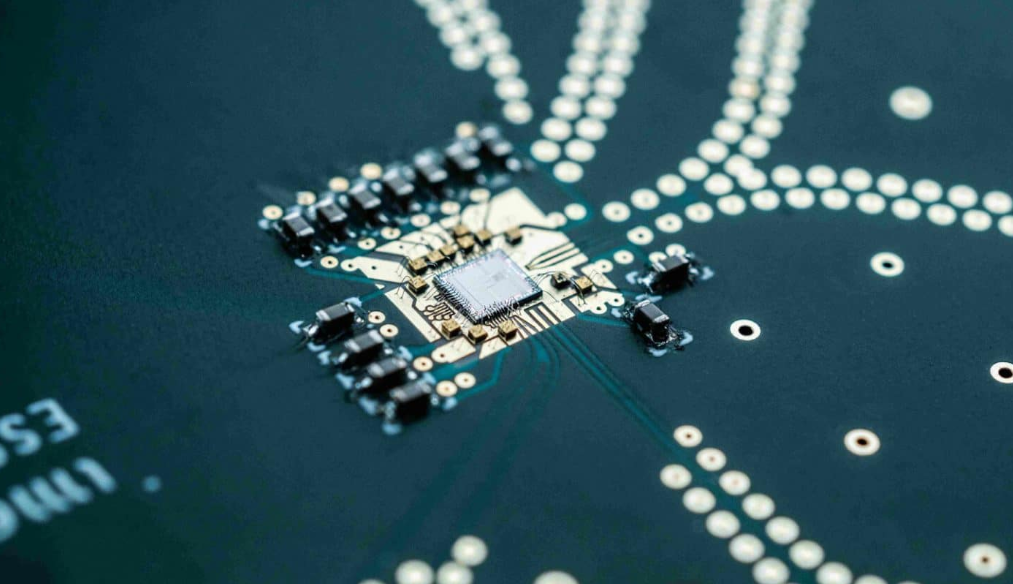
Several research laboratories led by the Institute for Microelectronics and Components (Imec), based in Leuven, Belgium, will receive 2.5 billion euros in subsidies under the European Chips Act .
Advanced chip research and development in Europe
The project aims to establish a pilot line to develop and test future generations of advanced computer chips, those smaller than 2 nanometers. The objective is to help European industry, academics, and startups access chip manufacturing technology that would otherwise be too expensive for them to test or use in their development.
This European-led line is designed to contribute to the development of even more advanced future generations of chips. It will be equipped with materials from European and global companies specializing in equipment and materials.
“ This investment will allow us to double our learning volumes and speed, which will accelerate our pace of innovation, strengthen the European chip ecosystem, and stimulate economic growth in Europe ,” commented Luc Van den Hove, CEO of Imec, in a statement quoted by Reuters . Sectors such as automotive, telecommunications, and healthcare are expected to benefit from this effort.
The French laboratory CEA-Leti is among the institutes participating in the project, which is funded to the tune of €1.4 billion by several EU programs and the Flemish regional government. Industry players, such as the Dutch giant ASML, will contribute €1.1 billion to the initiative.
A total of 43 billion euros in subsidies
Approved in 2023 by EU leaders , the Chips Act is a €43 billion plan to increase European semiconductor production from 10% to 20% of the world total by 2030. To achieve this, the authorities provide subsidies to companies wishing to establish themselves on the Old Continent.
Until now, STMicroelectronics was the only company to have received aid under the legislation. TSMC and Intel are awaiting approval from the authorities to benefit from it, as both companies wish to build a production plant in Germany.
After pandemic-induced shortages highlighted the risks of relying on the global supply chain for essential technologies, many countries decided to invest in achieving self-sufficiency in semiconductor production. Large-scale national plans also emerged in the United States, China, Japan, and South Korea.
Leave a Reply